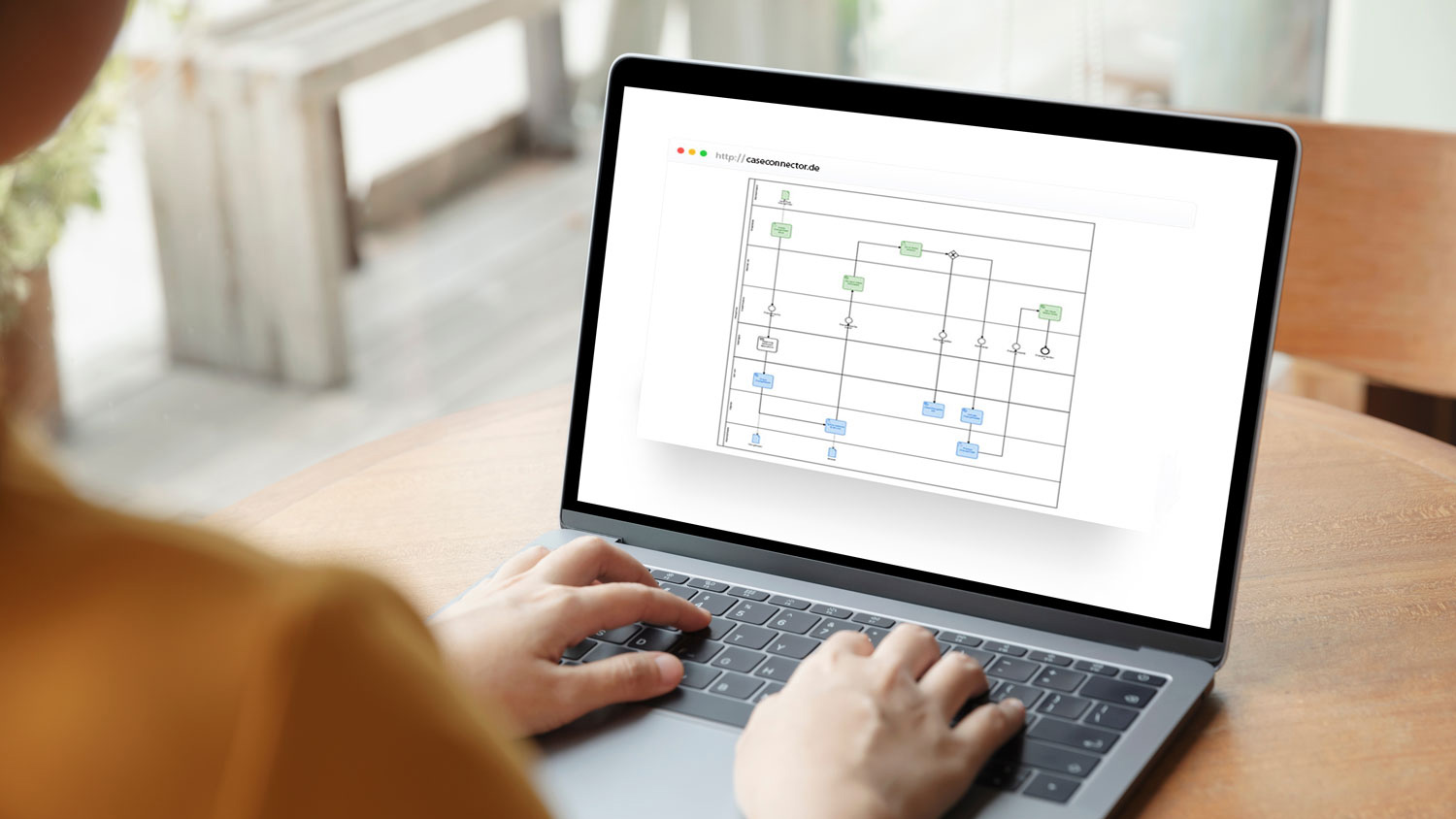
Energy data management for sites
Challenges in Energy Data Management
for Companies in Germany
In light of rising energy costs and established climate goals, it is more important than ever to systematically track and optimize energy consumption. The challenges are many and varied: regulatory requirements, efficiency targets, complex regulations, the integration of renewable energy, data analysis, and, last but not least, cost efficiency.
Why Do Companies Need a
Effective Energy Data Management?
Compliance with regulatory requirements, such as the EU’s CSRD or the Energy Efficiency Act (EnEfG), are just a few reasons for implementing energy data management. However, structured energy data management is also essential for certification in this area, such as certification under DIN EN ISO 50001.
What Can an Energy Data Management System Do ?
With an energy data management system (EDMS), companies can systematically track, analyze, and optimize their energy consumption. Essentially, such a system makes it possible to…
- The Provision of Site Master Data and Its Quality Assurance
- Centralized collection of measurement data from a wide variety of energy providers (including in standard formats such as MSCONS)
- Detecting anomalies/“outliers” in measurement data and errors (such as master data errors)
- Illustration of Energy Consumption and Feed-In (e.g., from PV generation)
- Support for analyzing consumption and load profiles (lists, charts)
- Location Comparisons
- Assistance with the preparation of energy reports, cost estimates, etc.
- Provision of data to external analytics tools
The successful collection, analysis, and integration of energy data into existing systems require a structured approach.
Data Collection and Integration
The quality and completeness of energy data are essential for effective analysis and optimization.
Different formats and protocols make it difficult to collect data in a consistent manner and require a high level of data compatibility, which is ensured by an EnMS. The goal is to automatically collect consumption and feed-in data and thereby connect energy providers and photovoltaic systems using standardized technologies.
To effectively manage energy data and consolidate and process it, the energy data must be integrated with existing IT and business processes. In this context, it is recommended to use a unified data platform to centralize all energy data on a single platform.
The advantages lie in the use of open interfaces and standard protocols for seamless integration, as well as ongoing monitoring and adaptation of the systems to ensure continuous improvement.
Quality Assurance and Data Analysis
Once the energy data has been collected, it will be processed, visualized, and analyzed. This includes data cleaning and preprocessing, during which incorrect or incomplete data is identified. It is important to standardize all data in order to obtain meaningful results.
When it comes to data aggregation and visualization, creating load profiles and conducting location-based comparative analyses are helpful. Using dashboards and reports, companies can already identify potential cost savings here.
The challenges of data analysis lie in the volume of data; processing large amounts of data in real time requires a high-performance solution that provides the appropriate interfaces to make data from different systems available and usable.
ISO 50001 Certification
Efficiently Managing Energy Data for Sites
Are you facing the challenge of obtaining ISO 50001 certification and looking for an efficient way to manage your energy data on a centralized platform? In our webcast, we provide a technical overview of energy data management with a focus on regulatory requirements (EMAS, ISO 50001, etc.). Next, we’ll show you how to automatically collect energy data from various sources in a centralized manner, identify and correct errors in the import process, and perform analyses to optimize energy consumption.
Sign Up Now!