SAP Integration Suite – Successor to SAP PI/PO
The SAP Integration Suite is SAP’s strategic integration solution. It goes far beyond the traditional capabilities of SAP PI/PO and opens up new opportunities for companies to optimize their processes and holistically integrate their system landscape.
In today’s IT landscape, companies rely on a variety of systems:
- SAP and Non-SAP Systems
- Cloud and On-Premises Environments
- Standard Solutions and Custom Applications
The Integration Suite provides a central integration platform that connects this diversity in a structured way to create a future-proof integration solution.
The challenge of migrating from SAP PI/PO to the SAP Integration Suite lies not only in the technical migration, but above all in the fundamental change in architecture and operations.

The SAP Integration Suite is SAP’s strategic integration solution. It goes far beyond the traditional capabilities of SAP PI/PO and opens up new opportunities for companies to optimize their processes and holistically integrate their system landscape.
In today’s IT landscape, companies rely on a variety of systems:
- SAP and Non-SAP Systems
- Cloud and On-Premises Environments
- Standard Solutions and Custom Applications
The Integration Suite provides a central integration platform that connects this diversity in a structured way to create a future-proof integration solution.
The challenge of migrating from SAP PI/PO to the SAP Integration Suite lies not only in the technical migration, but above all in the fundamental change in architecture and operations.
Our Expertise
Your Partner for SAP Integration Suite Migrations
As integration consultants, we guide you through the structured migration from SAP PI/PO to the modern SAP BTP integration platform—efficiently, securely, and with an eye toward the future.

A Partner by Your Side
Getting Started with the SAP Integration Suite Successfully and Efficiently
A successful SAP migration is the result of clear framework conditions: transparent licensing models, a coordinated migration roadmap, a well-defined classification, realistic project planning, and clearly defined “no-go” criteria.
Through structured and proven phases, we help you successfully and efficiently get started with the SAP Integration Suite—from analysis and evaluation, through the target integration architecture and migration strategy, to migration, redesign, implementation of change requests, testing, and documentation.
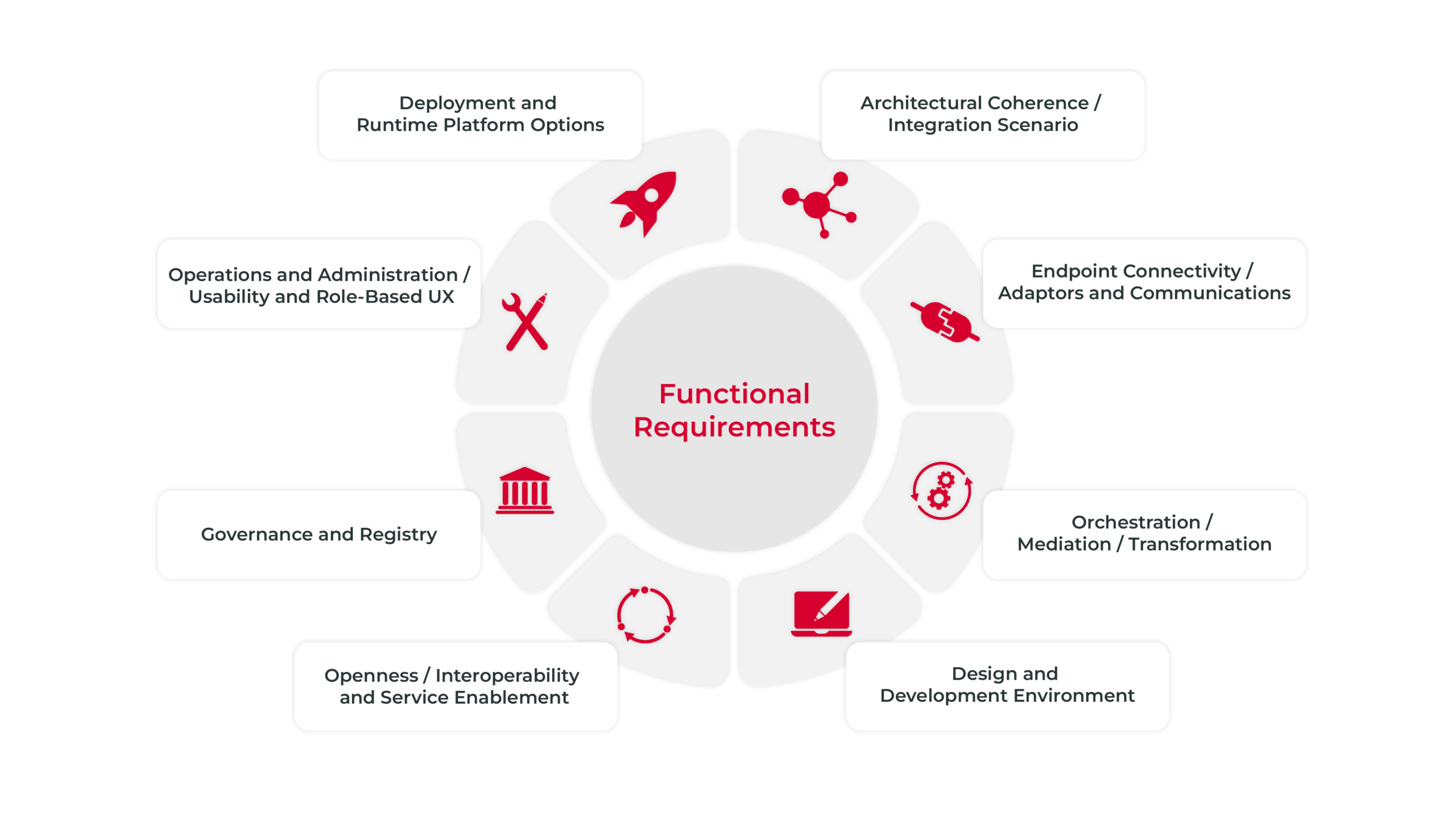

Architectural Coherence / Integration Scenario (Actual and Target Analyses)
Using the SAP Migration Assessment, along with our own expertise and project experience with numerous clients, we identify and classify your SAP PI/PO interfaces. In addition, we perform a technical analysis of other integration components, such as adapter modules.
Endpoint Connectivity / Adapters and Communications
We create secure, high-performance, and controlled connections between cloud and on-premises systems, applications, partners, and services—regardless of location or technology.
Orchestration / Mediation / Transformation
We have the expertise to handle everything from technical implementation to a complete redesign.
We see ourselves as Bluefield consultants. Together with you, we will determine which of your existing interfaces can be migrated as simply as possible using the SAP Migration Tool (brownfield) and which interfaces should be redesigned in accordance with the latest standards and best practices (greenfield).
Design and Development Environment
We support integration development—that is, the design of integration processes, including routing, mapping, and message transformation. This includes the process architecture within cloud integration using JMS queues. These provide a reliable foundation for retry functions and ensure that failed messages can be automatically reprocessed.
Openness / Interoperability and Service Enablement
We are creating an integration platform that is designed to be open in both its administration and day-to-day operations. This makes it possible to connect external version control systems, integrate cross-platform tools for deployment pipelines, and provide custom APIs through the platform that can be used by other tools.
Governance and Registry
Whether it’s architectural overviews, integration flows, security concepts, or operational guidelines: Clear and structured documentation makes complex landscapes easier to understand, supports operations and further development, and preserves valuable expertise over the long term.
With a Template-iFlow, we also prevent many disputes over naming conventions by ensuring that every developer working on your cloud integration always has the desired naming schemes right in front of them.
Operations and Administration / Usability and Role-Based UX
Our unique selling point is our logging solution for SAP Cloud Integration.
The SAP Cloud Integration standard logs only minimal information about errors in integration messages, and no information at all about successful messages. Our solution makes it as easy as possible to log any data excerpts in every integration, allowing you to track which messages were successful and which failed.
Deployment and Runtime Platform Options
We support all possible deployment and operating models for integration solutions—from on-premises to cloud-native.
As you prepare for the go-live of your migrated interfaces, we can support you with a big-bang rollout, an incremental rollout of individual interfaces, or the parallel operation of the old and new integration platforms.
Using the SAP Migration Assessment, along with our own expertise and project experience with numerous clients, we identify and classify your SAP PI/PO interfaces. In addition, we perform a technical analysis of other integration components, such as adapter modules.
Endpoint Connectivity / Adapters and Communications
We create secure, high-performance, and controlled connections between cloud and on-premises systems, applications, partners, and services—regardless of location or technology.
We have the expertise to handle everything from technical implementation to a complete redesign.
We see ourselves as Bluefield consultants. Together with you, we will determine which of your existing interfaces can be migrated as simply as possible using the SAP Migration Tool (brownfield) and which interfaces should be redesigned in accordance with the latest standards and best practices (greenfield).
Design and Development Environment
We support integration development—that is, the design of integration processes, including routing, mapping, and message transformation. This includes the process architecture within cloud integration using JMS queues. These provide a reliable foundation for retry functions and ensure that failed messages can be automatically reprocessed.
We are creating an integration platform that is designed to be open in both its administration and day-to-day operations. This makes it possible to connect external version control systems, integrate cross-platform tools for deployment pipelines, and provide custom APIs through the platform that can be used by other tools.
Whether it’s architectural overviews, integration flows, security concepts, or operational guidelines: Clear and structured documentation makes complex landscapes easier to understand, supports operations and further development, and preserves valuable expertise over the long term.
With a Template-iFlow, we also prevent many disputes over naming conventions by ensuring that every developer working on your cloud integration always has the desired naming schemes right in front of them.
Our unique selling point is our logging solution for SAP Cloud Integration.
The SAP Cloud Integration standard logs only minimal information about errors in integration messages, and no information at all about successful messages. Our solution makes it as easy as possible to log any data excerpts in every integration, allowing you to track which messages were successful and which failed.
We support all possible deployment and operating models for integration solutions—from on-premises to cloud-native.
As you prepare for the go-live of your migrated interfaces, we can support you with a big-bang rollout, an incremental rollout of individual interfaces, or the parallel operation of the old and new integration platforms.
Using the SAP Migration Assessment, along with our own expertise and project experience with numerous clients, we identify and classify your SAP PI/PO interfaces. In addition, we perform a technical analysis of other integration components, such as adapter modules.
Endpoint Connectivity / Adapters and Communications
We create secure, high-performance, and controlled connections between cloud and on-premises systems, applications, partners, and services—regardless of location or technology.
We have the expertise to handle everything from technical implementation to a complete redesign.
We see ourselves as Bluefield consultants. Together with you, we will determine which of your existing interfaces can be migrated as simply as possible using the SAP Migration Tool (brownfield) and which interfaces should be redesigned in accordance with the latest standards and best practices (greenfield).
Design and Development Environment
We support integration development—that is, the design of integration processes, including routing, mapping, and message transformation. This includes the process architecture within cloud integration using JMS queues. These provide a reliable foundation for retry functions and ensure that failed messages can be automatically reprocessed.
Openness / Interoperability and Service Enablement
We are creating an integration platform that is designed to be open in both its administration and day-to-day operations. This makes it possible to connect external version control systems, integrate cross-platform tools for deployment pipelines, and provide custom APIs through the platform that can be used by other tools.
Whether it’s architectural overviews, integration flows, security concepts, or operational guidelines: Clear and structured documentation makes complex landscapes easier to understand, supports operations and further development, and preserves valuable expertise over the long term.
With a Template-iFlow, we also prevent many disputes over naming conventions by ensuring that every developer working on your cloud integration always has the desired naming schemes right in front of them.
Our unique selling point is our logging solution for SAP Cloud Integration.
The SAP Cloud Integration standard logs only minimal information about errors in integration messages, and no information at all about successful messages. Our solution makes it as easy as possible to log any data excerpts in every integration, allowing you to track which messages were successful and which failed.
We support all possible deployment and operating models for integration solutions—from on-premises to cloud-native.
As you prepare for the go-live of your migrated interfaces, we can support you with a big-bang rollout, an incremental rollout of individual interfaces, or the parallel operation of the old and new integration platforms.
When you work with us, you’ll get
SAP PI/PO FAQ
1. Why should SAP PI/PO be replaced?
SAP PI/PO will no longer receive standard support from SAP SE starting at the end of 2027. After that, an Extended Support package can be purchased through the end of 2030.
2. What are the options for replacing SAP PI/PO?
The leading integration platforms are SAP Integration Suite and Lobster Data Platform. SAP Integration Suite offers a partially automated migration path and integrates more seamlessly with the SAP ecosystem, but the Integration Suite’s operations take place in the cloud. The Lobster Data Platform is also cloud-native, but it is easier to run on-premises on your own server than the SAP Integration Suite.